A Biodiversity-Focused Guide to Kenya’s Wildlife
Kenya hosts one of the most diverse and accessible wildlife assemblages on Earth, spanning savanna, forest, wetland, desert, alpine, and marine ecosystems. A safari in Kenya is not just about iconic species, but about understanding how animals interact within functioning ecosystems.
1. The Big Five (Flagship Large Mammals)
5
Originally coined by hunters, the Big Five now serve as conservation flagships and symbols of intact ecosystems.
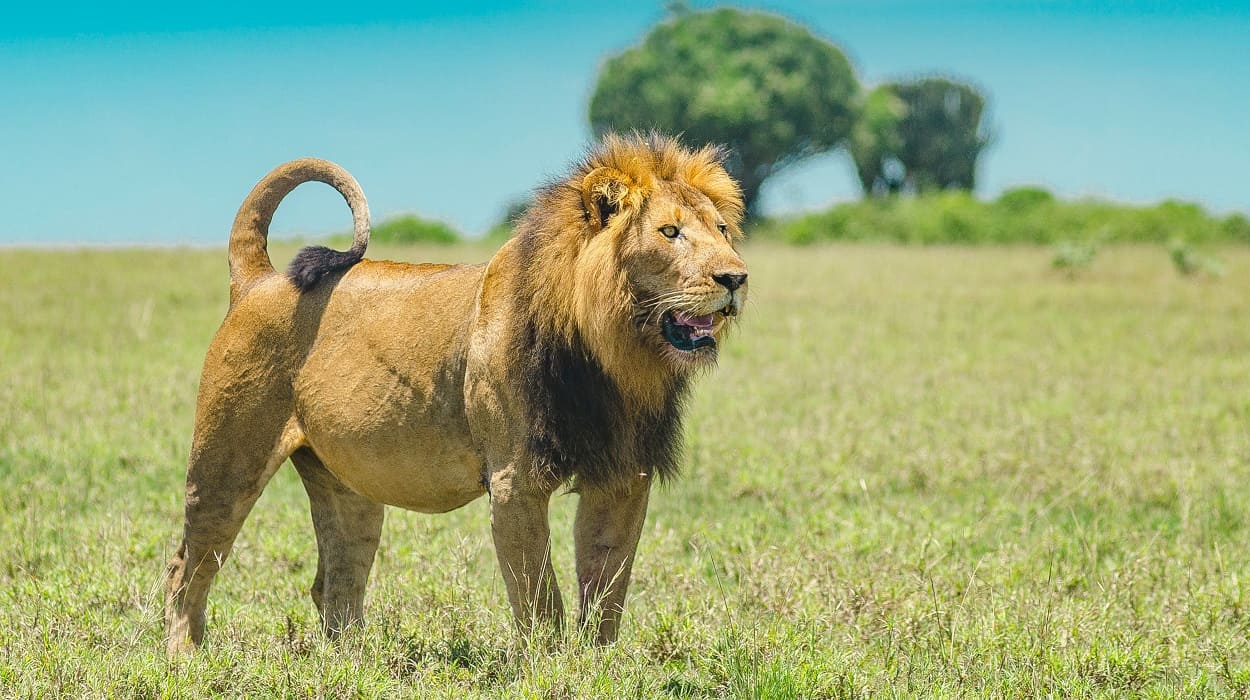
- African Lion – Social apex predator of open savannas; prides structure much of the predator hierarchy in places like the Mara and Tsavo.
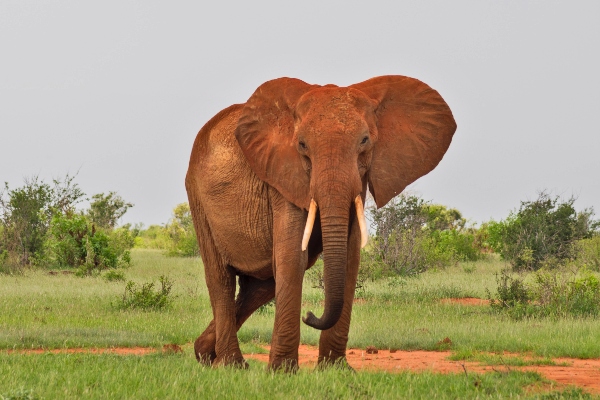
- African Savanna Elephant – Keystone ecosystem engineer; shapes vegetation, water access, and migration routes.
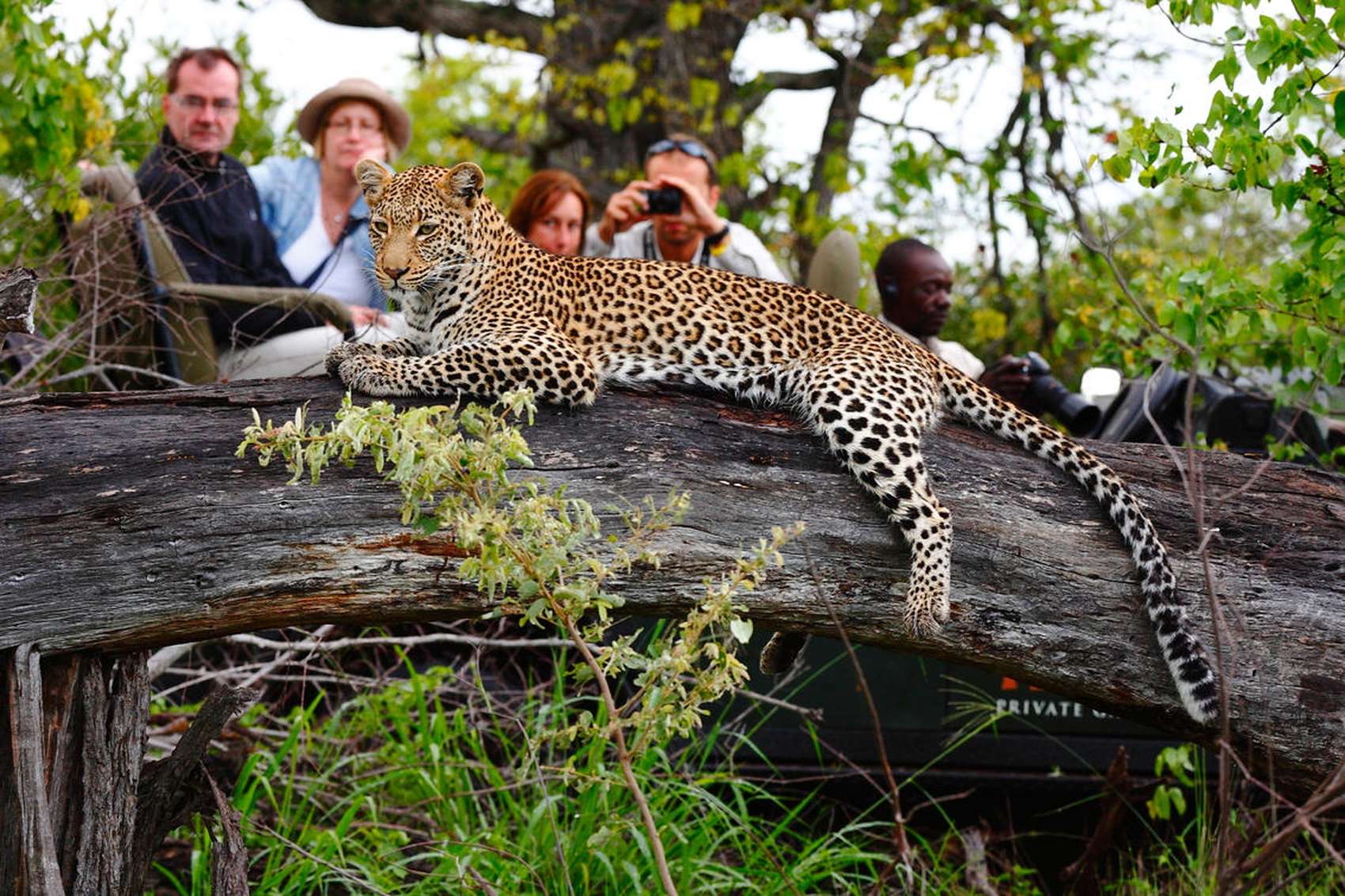
- Leopard – Solitary and elusive; thrives in riverine forests and rocky landscapes.
- Black Rhinoceros – Critically Endangered browser; heavily protected and rarely encountered.
- African Buffalo – Large, unpredictable grazer; a key prey species for lions.
2. Other Iconic Large Mammals (The Safari Core)


5
These species define the classic East African safari landscape.
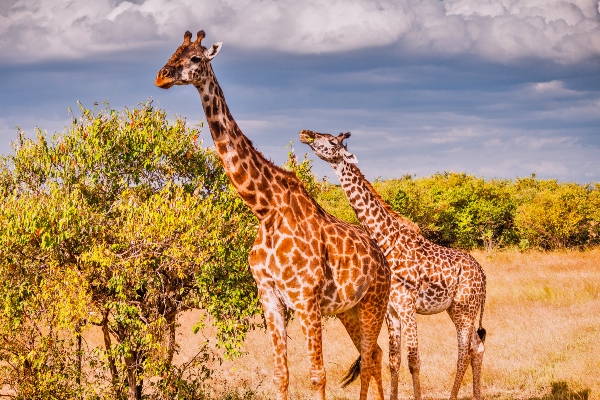
- Masai Giraffe – The tallest land animal; despite local abundance, globally Endangered.
- Plains Zebra – Highly social grazer; often leads migratory movements.
- Wildebeest – Engine of the Great Migration; a cornerstone of savanna food webs.
- Hippopotamus – Semi-aquatic megaherbivore; shapes river ecology and nutrient flows.
- White Rhinoceros – Reintroduced grazer in several parks; more visible than black rhino.
3. Predators and Carnivores (The Trophic Engine)

5
Kenya’s carnivores regulate prey populations and reveal ecosystem health.
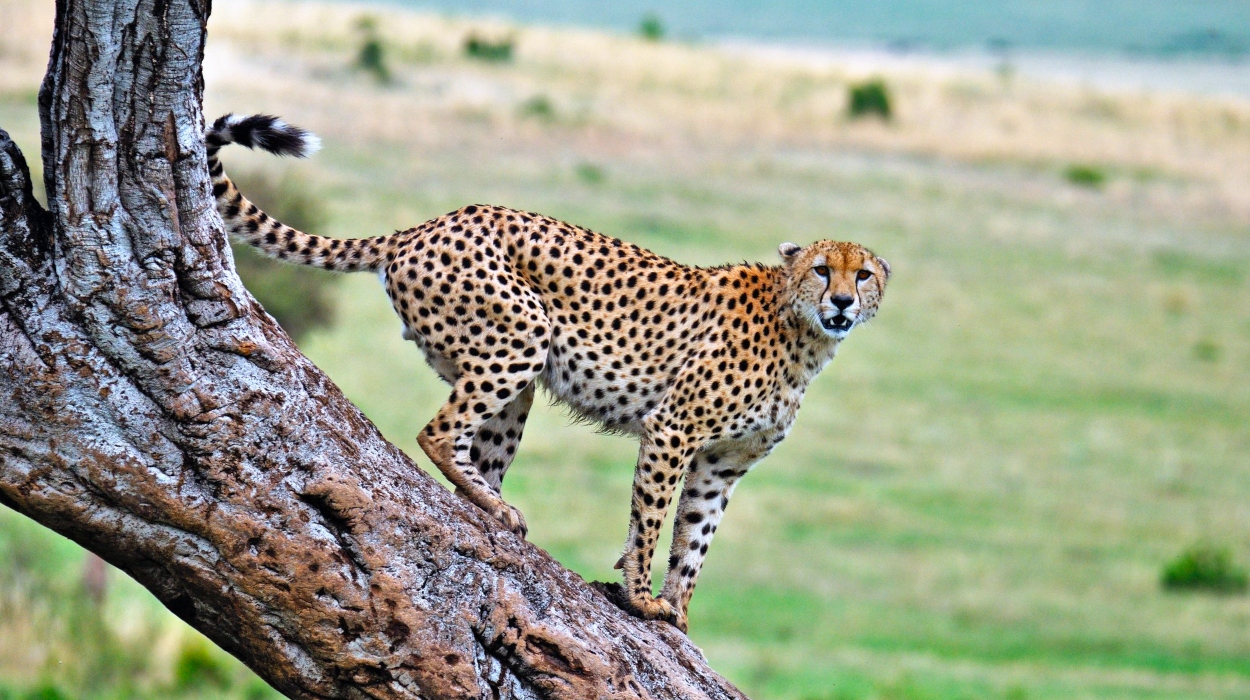
- Cheetah – Fastest land mammal; dependent on open plains and low disturbance.
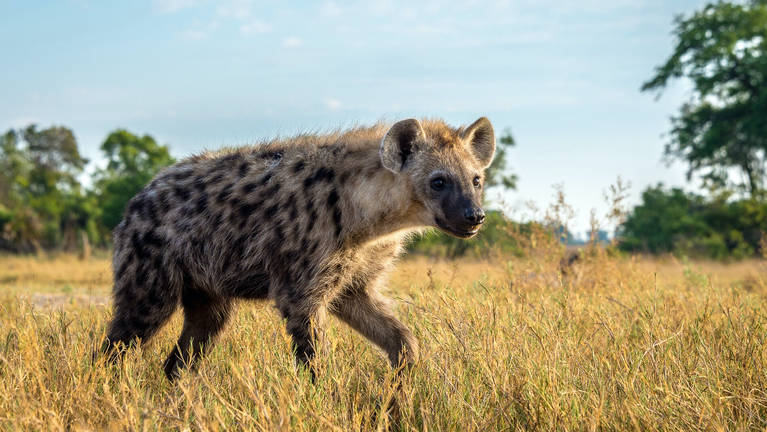
- Spotted Hyena – Dominant carnivore numerically; highly intelligent and social.
- African Wild Dog – Endangered cooperative hunter; wide-ranging and rare.
- Serval – Wetland and grassland specialist; exceptional rodent hunter.
- Bat-eared Fox – Insect-eating canid; controls termite populations.
4. Herbivores and Grazers (The Biomass Base)

5
These species form the foundation of savanna productivity.
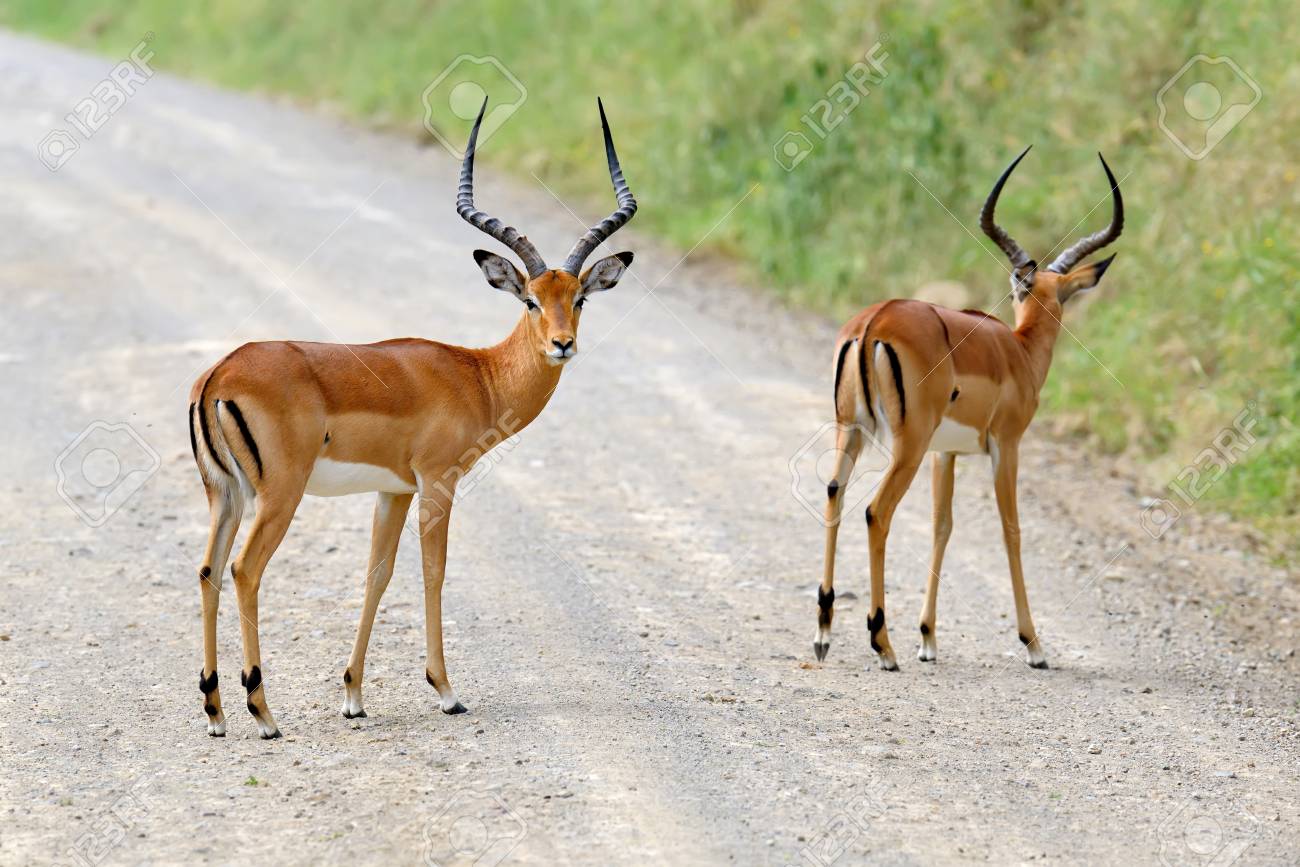
- Impala – Abundant and adaptable; key prey for many predators.
- Topi – Fast plains antelope; favors short grass.
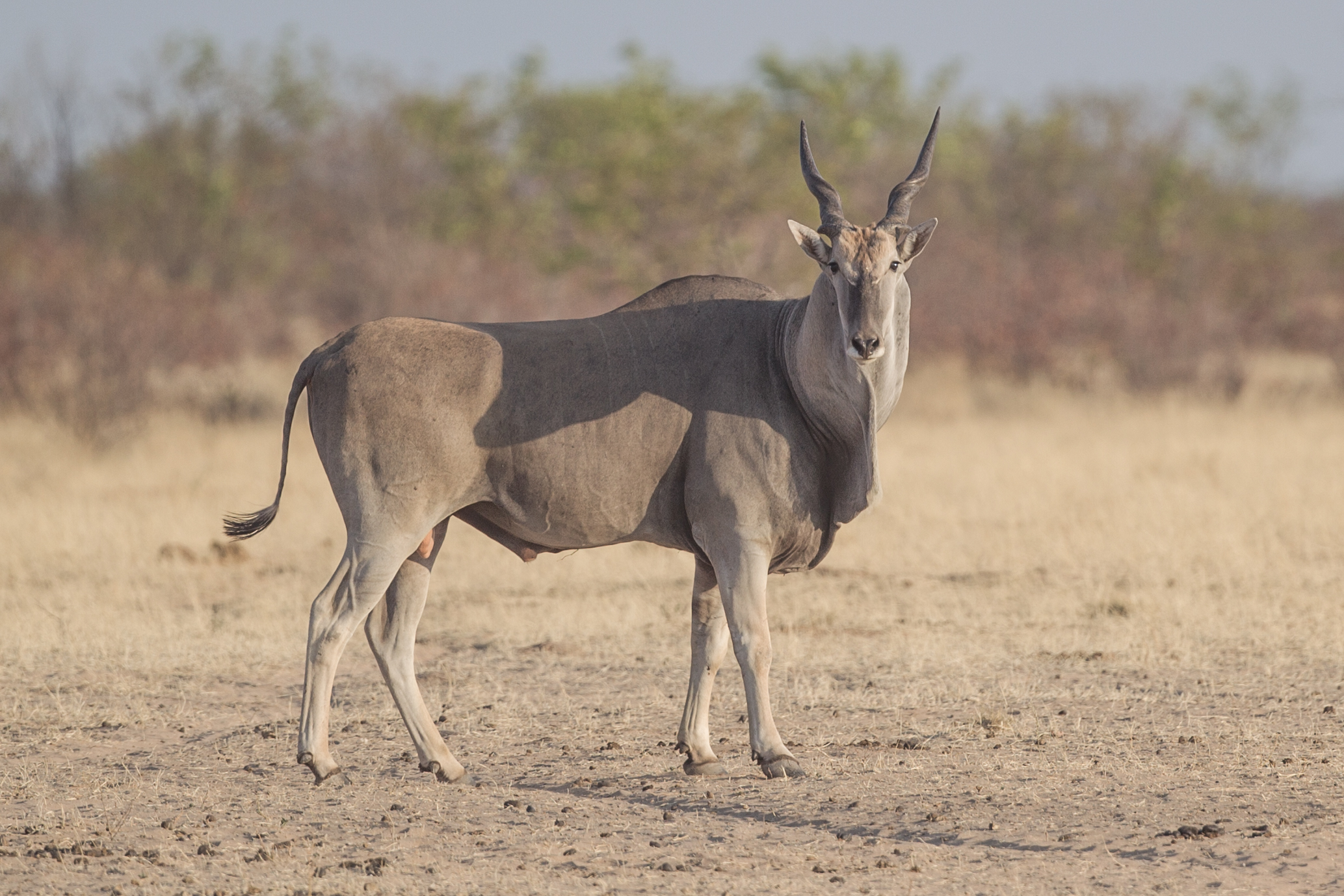
- Common Eland – Africa’s largest antelope; surprisingly mobile.
- Gerenuk – Specialized browser adapted to arid northern Kenya.
- Common Warthog – Ecological generalist; important soil disturber.
5. Birds (Avian Diversity Powerhouse)


5
With 1,100+ recorded species, Kenya is among Africa’s top birding destinations.
- Secretarybird – Ground-hunting raptor of open grasslands.
- Lilac-breasted Roller – Iconic savanna bird; a Kenyan national symbol.
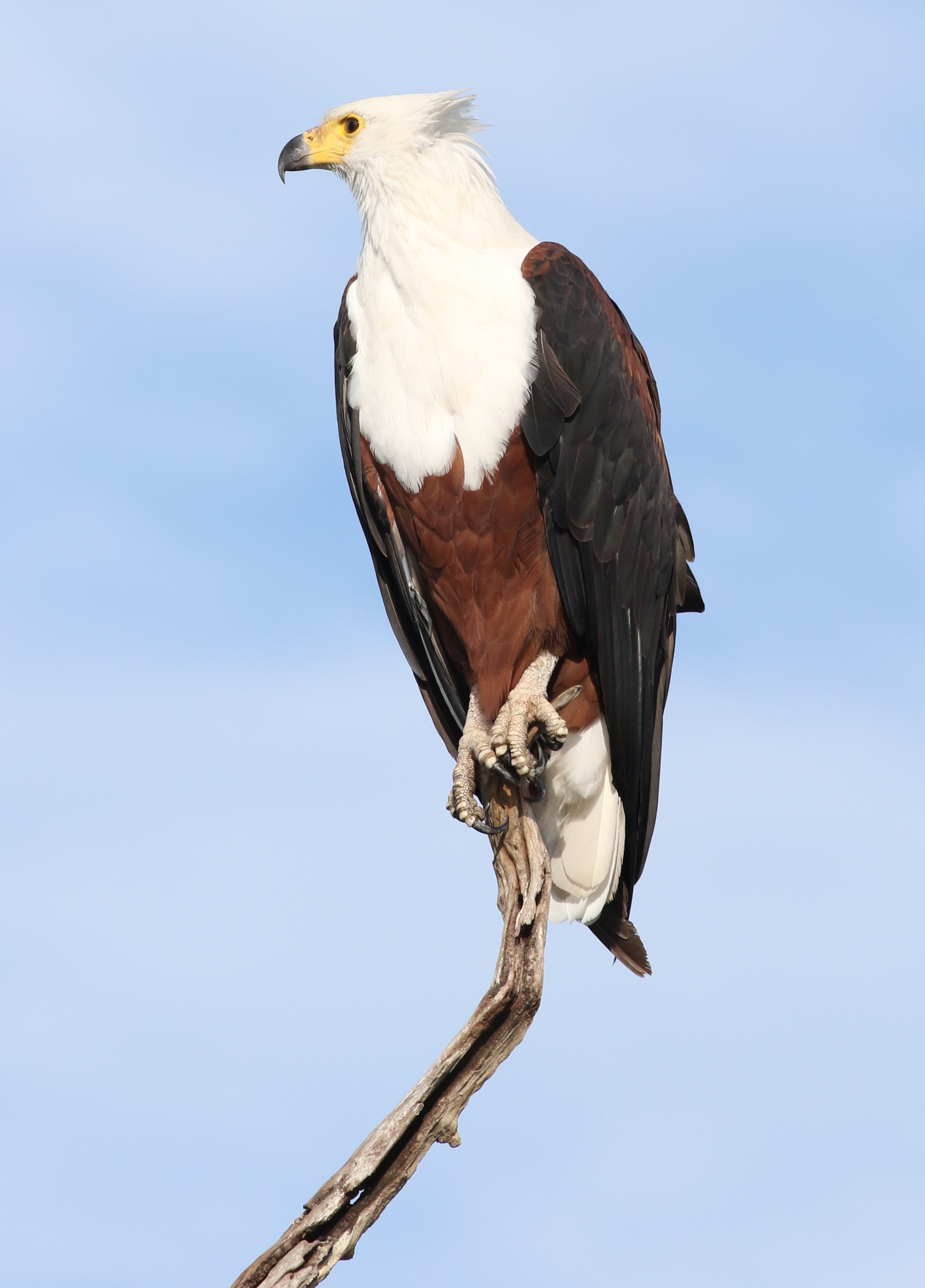
- African Fish Eagle – Lakes and rivers; unmistakable call.
- Lesser Flamingo – Rift Valley soda lakes; highly sensitive to water chemistry.
- African White-backed Vulture – Critically Endangered scavenger; vital for disease control.
6. Reptiles and Other Notable Wildlife


4
Often overlooked, these species are integral to ecosystem balance.
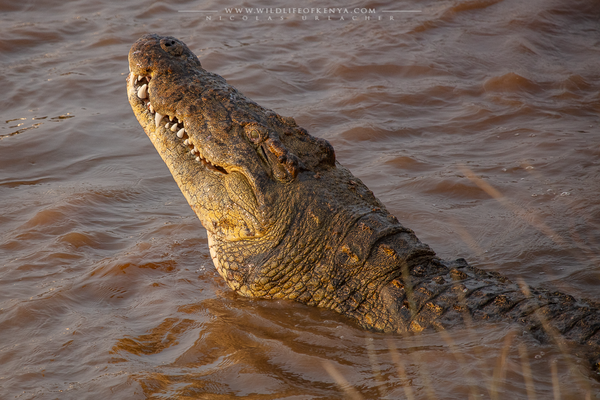
- Nile Crocodile – Apex aquatic predator; common in major rivers.
- African Rock Python – Large constrictor; rarely seen but widespread.
- Nile Monitor – Opportunistic reptile of wetlands and rivers.
- Leopard Tortoise – Long-lived herbivore of open savannas.
Why Kenya’s Safari Wildlife Matters
Kenya’s animals are not isolated attractions; they are part of interconnected ecosystems that extend beyond park boundaries into community lands. Many species visible on safari are globally threatened, even when locally common, making responsible tourism a key conservation tool.